|
 |
 |
| |
AAMES RADON
NEHA ID# 103333
303-915-1613
Top quality Radon Mitigation Systems at a competitive price
Serving Colorado
(Denver Metro, Colorado Springs, Fort Collins, I-70 Corridor, Mountains)
Free Estimates!
 |
At Aames Radon we take pride in our
-- customer service
-- craftsmanship
-- quality
of work.
Protocols put in place by the EPA and
NEHA
(National Environmental Health Association) are followed so the most
effective radon mitigation system is installed to improve the indoor air quality
of your home.
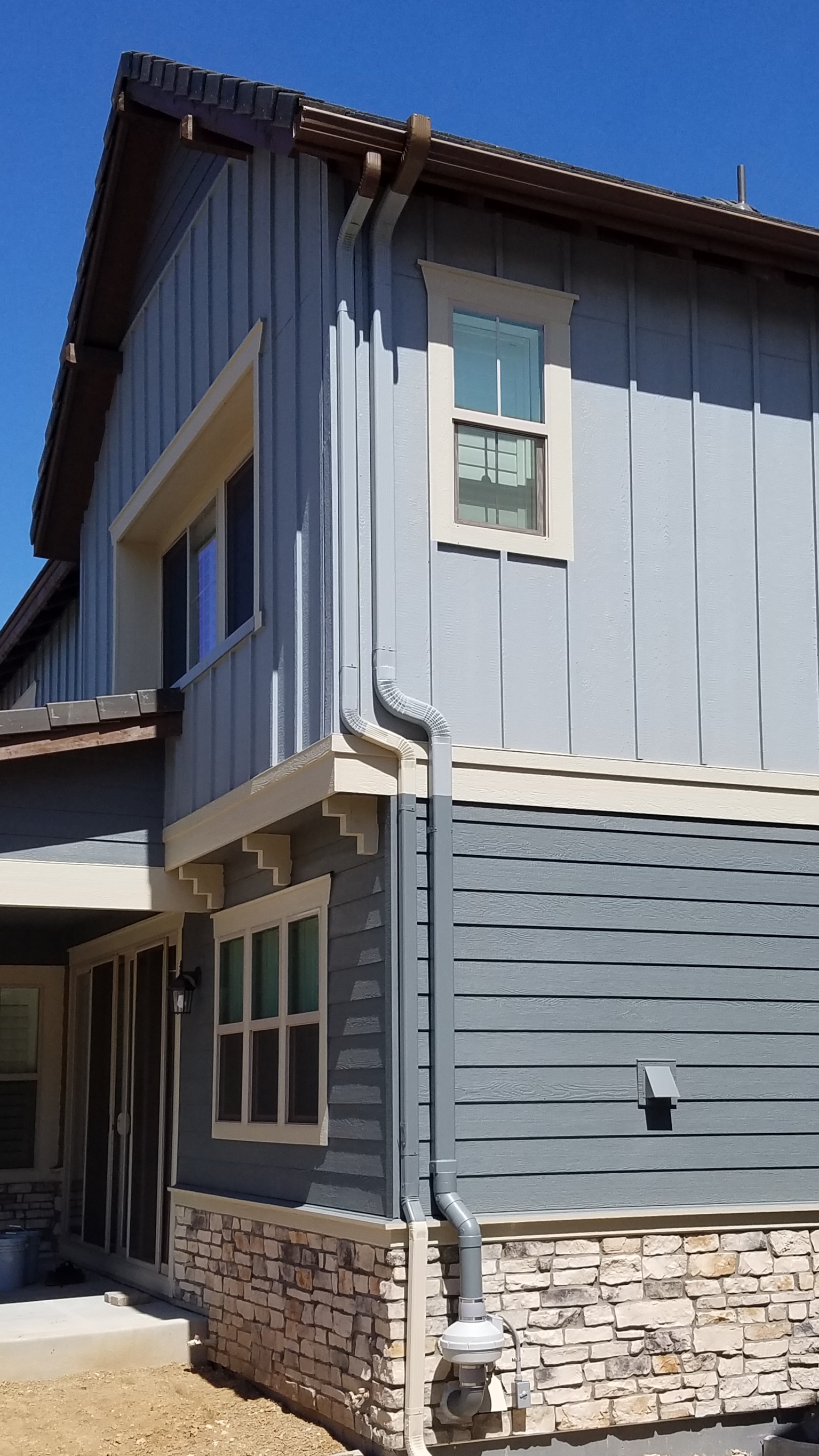
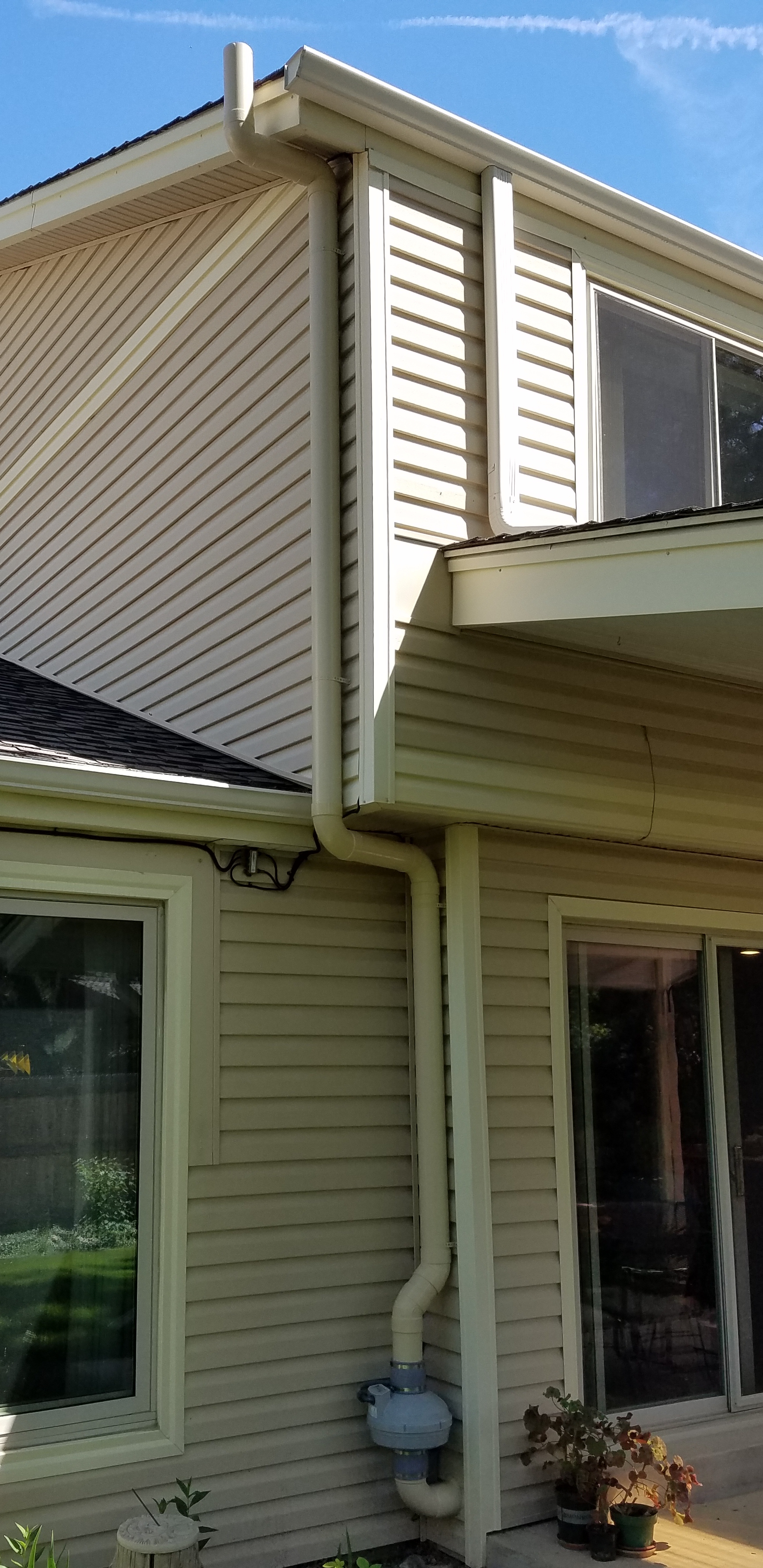
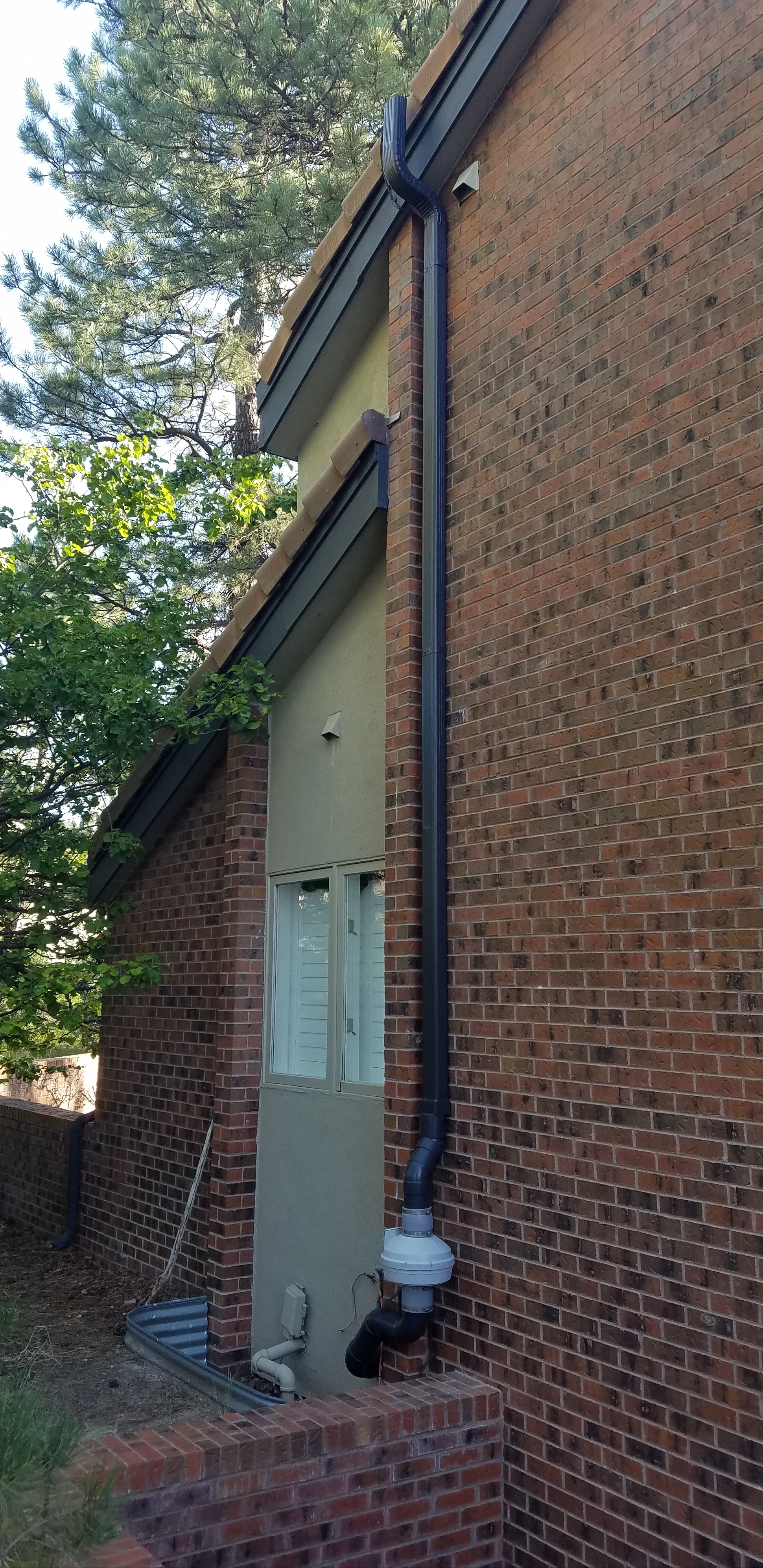
Just as important, we concern ourselves with how and where a
mitigation system is installed, so that the aesthetics of the system are
pleasing as well.
What is Radon?
RADON is a colorless,
odorless, tasteless invisible gas.
The
EPA has listed radon the second leading cause of lung cancer,
cigarettes as number one. As naturally occurring uranium in the soils break
down, radon is created.
As radon enters our home we breathe it into our lungs. When radon decays, Alfa rays are emitted which can cause damage to the lungs.
This
is why testing your home or business for elevated radon levels is recommended.
The
EPA has set the Recommended Action Level
at 4pCi/Liter.
|
Radon in Colorado
But, I've been told there isn't any radon in Colorado?! According to K.R. Tremblay Jr, a Colorado State University Extension housing specialist and Professor, Colorado does have radon.
From a report posted on CSU Extension's website, found here,
"Surveys show that homes in most Colorado counties have the potential for radon
levels above EPA’s recommended action level. EPA has developed three radon
designations, ranging from Zone 1 (red) with the highest recommended action
level to Zone 3 with the lowest recommended action level. The EPA map of radon
zones for Colorado (Figure 2) shows the majority of counties are designated as
Zone 1, with no counties in Zone 3."

Figure 2: EPA map of radon zones for Colorado.
Zone 1 (red), high risk (greater than 4pCi/L).
Zone 2 (yellow), moderate risk (2-4 pCi/L)
"Because radon levels are influenced by a variety of factors—soil type and
moisture, how “tight” the home is, type of heating and ventilation system,
movement of air and groundwater, air pressure, and lifestyle behavior of the
occupants—the only way to know if a home has elevated levels of radon is to test
it."
If a level above 4pCi/L is found after testing your home, you will want to
consider having a mitigation system installed. Don’t hesitate to call us with
any questions you may have. On location price quotes are free.
|
|
|